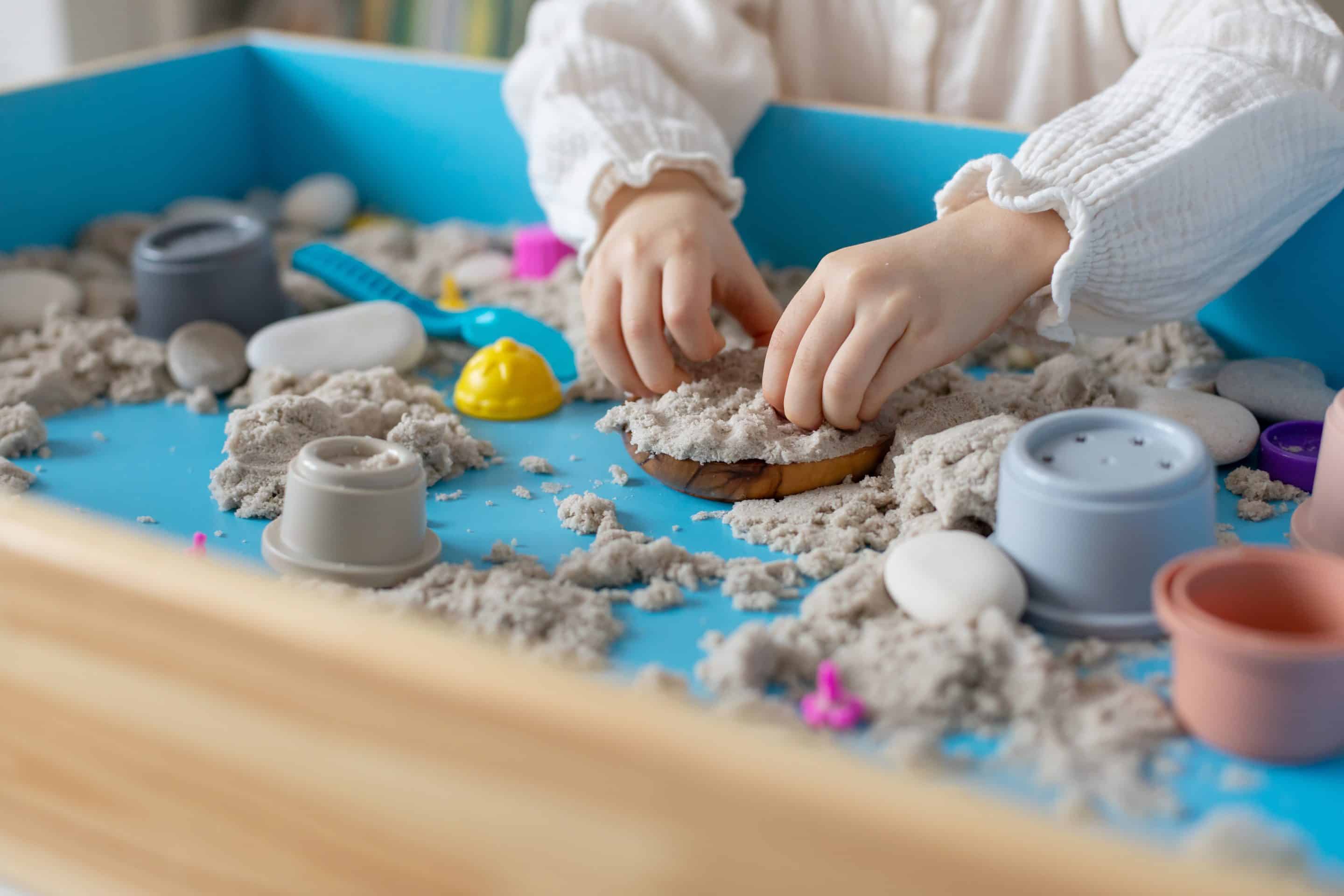
Children experience and process the world very differently than adults. When a child has been impacted by trauma, they often don’t have the words to explain what happened or how their body still remembers it. What they do have is play. Play is a child’s natural language—it’s how they communicate, make meaning, and work through experiences that feel confusing or overwhelming.
Child-centered play therapy honors this language. Rather than asking children to explain their feelings or retell difficult experiences before they are ready, this approach allows children to lead the way through play, while the therapist provides a safe, consistent, and attuned relationship. Within this space, children are met exactly where they are.
Trauma can disrupt a child’s nervous system, leaving them stuck in patterns of fight, flight, or shutdown. This may show up as anxiety, big emotions, impulsivity, withdrawal, sleep difficulties, or changes in behavior that feel hard to understand. In child-centered play therapy, nervous system regulation happens through experience—not instruction. Safety is built through predictable sessions, clear and supportive boundaries, and a therapist who remains calm, present, and accepting.
As children play, their bodies begin to learn something new: I am safe here. Over time, this felt sense of safety allows the nervous system to move out of survival mode and into regulation. The rhythm and repetition of play help children release stored stress and develop greater emotional flexibility.
Why Child-Centered Play Therapy Works Well for Children
Child-centered play therapy works because it aligns with how children naturally grow, communicate, and heal. Children use play to communicate and relate to the world around them. Their behaviors are also used to communicate.
Children are still developing their ability to think abstractly and use words to describe internal experiences. Asking a child to “talk about their feelings” can feel confusing, intimidating, or simply impossible. Play allows children to express thoughts, emotions, and experiences in a way that feels natural and non-threatening.
This approach is also deeply relational. Healing from trauma happens in the context of safe relationships, and child-centered play therapy prioritizes that connection. The therapist’s consistent presence, acceptance, and responsiveness help children build trust—often repairing disruptions in attachment that trauma can cause.
Another key reason this approach is effective is that it restores a child’s sense of control. Trauma often involves experiences where choice was taken away from the child. In the playroom, children are given appropriate control over their play and their pace. This sense of agency supports confidence, self-trust, and emotional resilience.
Rather than focusing on correcting behavior, child-centered play therapy focuses on understanding what the child’s behavior is communicating. As children feel safer and more regulated, challenging behaviors often decrease naturally because the underlying needs are being met.
A Note for Parents: “What If My Child Just Plays?”
It’s very common for parents to wonder what’s happening in therapy when their child seems to “just play”. This question makes sense—especially when you’re hoping to see your child feel better or behave differently.
In child-centered play therapy, play is the work. While it may look simple on the outside, play is how children process emotions, practice regulation, and make sense of their experiences. Through play, children communicate what they cannot yet put into words. Play assists with the processing.
Progress does not always look like big conversations or immediate behavior changes. Often, it shows up quietly: your child may seem calmer, recover from upsets more quickly, sleep better, or show more flexibility in daily life. These are signs that your child’s nervous system is becoming more regulated and that internal healing is taking place.
Parents are an important part of this process. While sessions remain confidential to protect your child’s sense of safety, therapists often share general themes, observations, and ways you can support regulation and connection at home. You are not left out—you are partnered with, even when the work happens primarily through your child’s play.
Supporting Safety, Regulation, and Resilience Through Play
In the play therapy room, children may express themes of danger, protection, power, or vulnerability. These themes are meaningful and are welcomed without judgment. The therapist remains attuned and supportive, helping the child feel seen and understood while maintaining clear, safe boundaries.
Over time, play often becomes more flexible, creative, and joyful. These shifts reflect increased nervous system regulation, internal safety, and the child’s growing ability to cope with stress.
Child-centered play therapy does not rush the healing process or push children to revisit experiences before they are ready. Instead, it offers a steady, consistent, respectful space where children can be fully themselves. For many children, this becomes the first place where they feel truly safe.
When children feel safe, their nervous systems can settle. When their nervous systems settle, healing can begin. Through play—their most natural form of communication—children are supported in processing trauma, building regulation skills, and developing a stronger sense of security in themselves and the world around them.
Taking the Next Step
If you’re wondering whether child-centered play therapy might be a good fit for your child, you do not have to figure that out alone. Reaching out is simply a first step toward understanding what your child may need and how support could look for your family.
You’re welcome to contact our practice to ask questions, schedule a consultation, or learn more about how child-centered play therapy can support your child’s healing and growth. We’re here to help you take the next step with care and intention.